How can I check my criminal record online in Canada? Should I get my fingerprints taken?

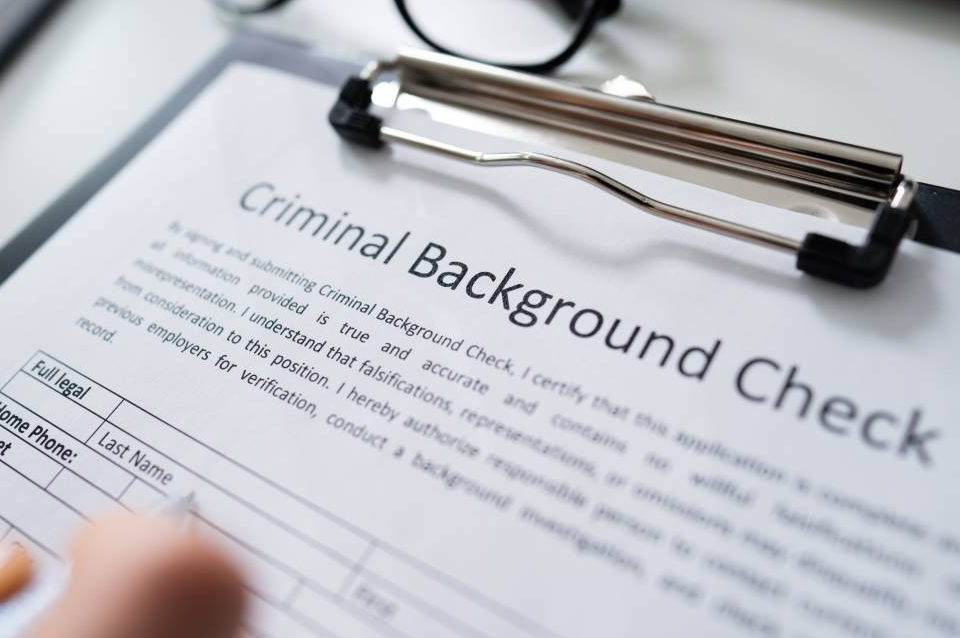
No fingerprints are required for a non-certified criminal record check. It only takes a few minutes. If you’d like to do a police background check, you can either use the regional police website, visit a nearby police station in person, or use a private agent.

In many cases, name-based checks aren’t accepted. Here’s an example:

  • Suspension of records (pardon)
  • Getting a visa or crossing the border
  • The adoption process
  • For federal jobs, you need a security clearance
  • Immigration to Canada or overseas

This means the applicant has to do a certified criminal record check that requires fingerprints (in person). Furthermore, private companies usually run a name-based background check before hiring new employees, but if the check is comprehensive, they run a fingerprint-based one.

We can capture and submit your fingerprints electronically to the RCMP’s Canadian Criminal Real Time Identification Services (CCRTIS). After processing your application, the RCMP will mail your certified criminal record check back to you.

Time to process:

If there is no criminal record:

You’ll need to wait 3 business days for the RCMP to process your application, plus 2-3 weeks for Canada Post to mail it (regular mail).

Manual processing/matches with criminal records:

RCMP needs 120 business days to process your application + Canada Post mailing time.

How do companies run background checks on their employees?

It’s crucial to do background checks to prevent fraudulent or reckless behavior at work, as well as to protect the workplace from unreliable resumes. Many employers run background checks on full-time temporary or probationary employees.

There are different types of background checks depending on what information an organization wants to see from their potential employees:

  • We check candidates for criminal records to make sure they haven’t engaged in criminal activity before or have warrants out for their arrest.
  • Check a candidate’s credit to see if they’re financially responsible. If you’re applying for a job in finance or handling money, you should include this info.
  • Verify your identity by checking your IDs to make sure they’re yours.
  • Candidate security clearances are required for anyone who works with the federal government.
  • Vulnerable Sector Check: To see if someone is involved in sexual crimes or anything else that might harm vulnerable people. This check is required for people who work with kids, the elderly, and the disabled.
  • Background checks can also verify employment history. You can check a company’s legitimacy and a candidate’s qualifications online by typing their name.
  • As part of background checks, employers can conduct drug tests to prevent employee turnover.

The list just keeps on expanding.


Name-based background checks are usually done by your company through a local police station or third-party ID company (including a Vulnerable Sector Check). RCMP will do the first fingerprint check (Criminal Record Check and Security Clearance inclusive) with the fingerprinting service provided by an accredited fingerprinting agency.

If you need a fingerprint-based criminal record check for any civil reason, our experts can answer your questions in detail.

Digital Fingerprinting: What You Need To Know

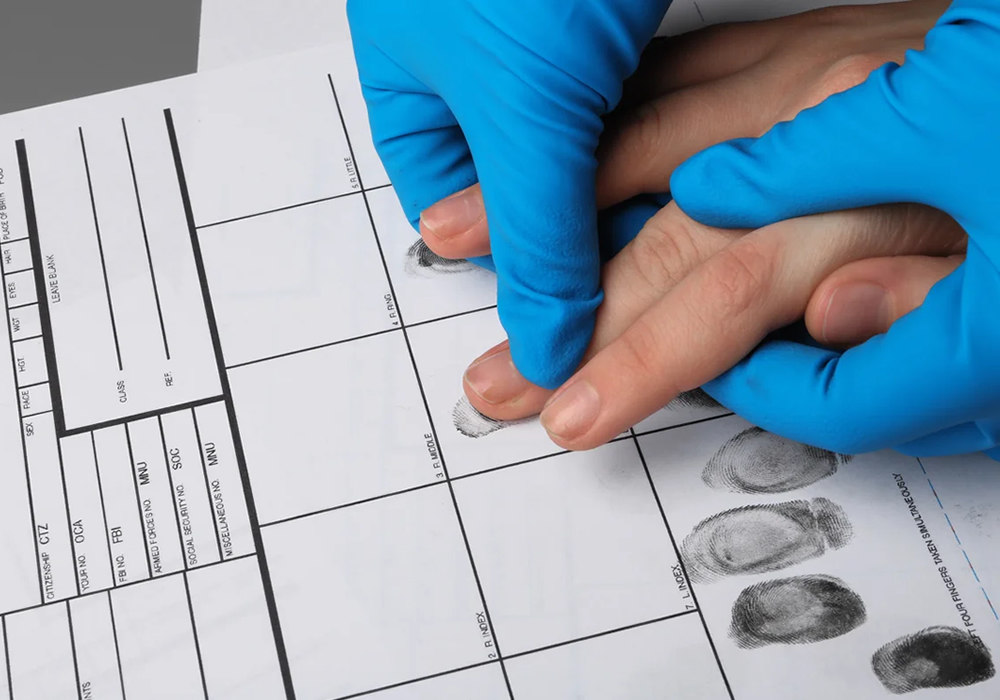
Fingerprints are scanned electronically and digitally printed. The process uses an optical scanner. After that, the fingerprint is formatted in the appropriate electronic pack. It’s sent to the RCMP’s Canadian Criminal Real Time Information System (CCRTIS). Fingerprints can be collected with this newer, more efficient technology. It’s managed by CCRITS and the RCMP. The RCMP criminal records database is checked against these fingerprints. A clearance certificate will be issued if no match is found.

Criminal files of individuals are kept by CCRIS. Additionally, the RCMP keeps fingerprints and criminal records in a highly efficient Central Repository.

Fingerprints: Why do we need them?
  • Background checks often require fingerprints from employees. By matching fingerprints with the database, they want to keep their companies safe.
  • A police clearance also requires fingerprints.
  • To get a security license, you have to give your fingerprints.
  • Fingerprints are also needed to apply for permanent residency in Canada or anywhere else.
  • For a name change, you’ll need your fingerprints.
  • Visa clearance.
  • Border crossings and waivers for the U.S.
  • You’ll also have to give your fingerprints if you work for a municipality, the Canadian Police Force or the federal or provincial government.
  • Fingerprints are required for Record Suspension or Pardon.
What’s better, ink and roll or digital fingerprinting?

Ink and roll fingerprinting is popular. But this method can take up to eight months. It’s a long process. Luckily, there’s a solution. It takes less than 14 days to get results from digital fingerprinting. We keep it confidential. There’s no compromise on privacy or rights.

We offer reliable, fast, and affordable digital fingerprinting solutions.

Fingerprints taken by the RCMP for immigration (IRCC)?

Fingerprints taken by the RCMP for immigration (IRCC)?

For Canadian citizenship or permanent residency, Immigration, Refugees, and Citizenship Canada (IRCC) might ask you to give your fingerprints to the RCMP to check your criminal record. If you’re older than 18 and have lived in Canada for more than 6 months, IRCC may request your fingerprints. You need to do this as part of your background check.

For Canadian citizenship or permanent residency, Immigration, Refugees, and Citizenship Canada (IRCC) might ask you to give your fingerprints to the RCMP to check your criminal record. If you’re older than 18 and have lived in Canada for more than 6 months, IRCC may request your fingerprints. You need to do this as part of your background check.

For Canadian Permanent Residency, you need a criminal record

IRCC sends a letter telling you to give your fingerprints to the RCMP for a criminal record. If you want your fingerprints processed, you have to bring them with you or show them to a fingerprinting officer. You’ll also need two valid IDs. If IRCC doesn’t send you a letter asking for a criminal record check, don’t request one.

For Canadian citizenship, submit your fingerprints to the RCMP

RCMP fingerprints are required for criminal record checks during Canadian citizenship applications. Clearly, this needs to be done inside Canada. Please bring the following documents to the fingerprinting office:

  • The landing paper or confirmation that you’re a permanent resident
  • Permanent resident card
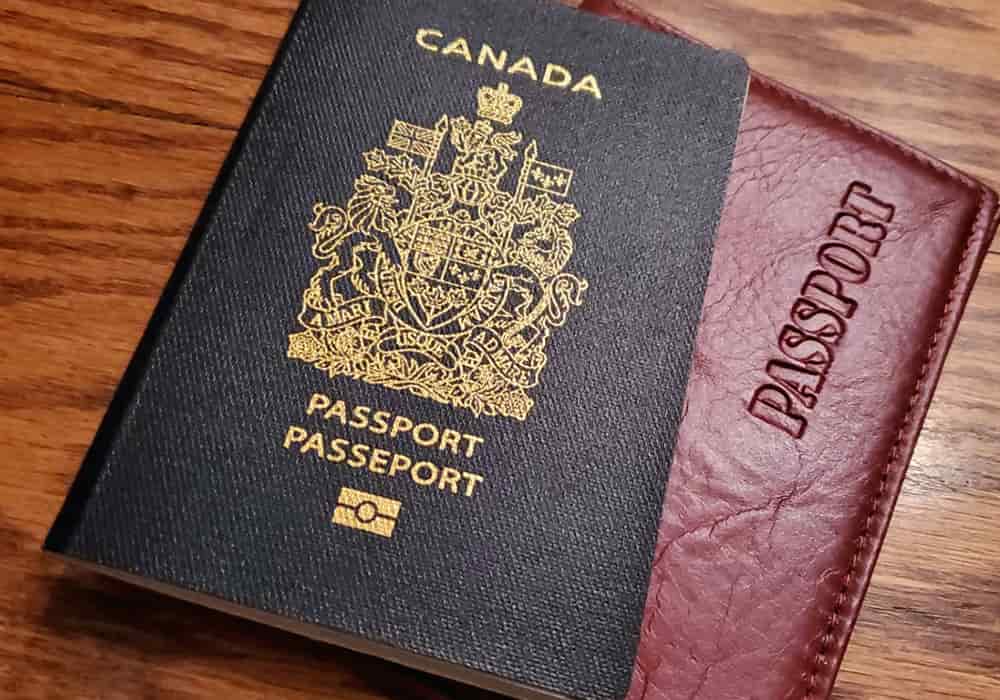
  • We need two valid IDs, like a driver’s license, passport, birth certificate, etc.

Your fingerprints will be sent to RCMP, and RCMP will send the criminal record results to the address on the IRCC letter. When the officer takes your fingerprints, make sure they enter your application number and UCI.

For details on getting a police certificate from other countries (besides Canada), check out “How to get a police certificate” on the IRCC website.

You can also get your fingerprints printed on an official form with our electronic fingerprinting service. You can apply for a police certificate back home by mailing the fingerprint form.